Saxophone: A Playful Handwritten Font for Authentic Designs
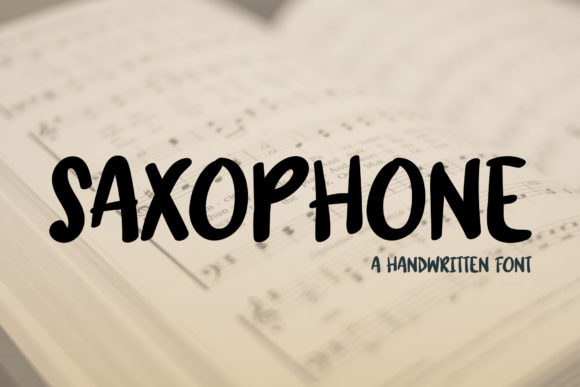
Imagine a typeface that immediately feels like a friendly, familiar handwritten note—warm, approachable, and full of character. That’s the essence of Saxophone, a simple and friendly handwritten font designed to embody playfulness and authenticity. In the world of graphic design, where visual communication is paramount, choosing the right typeface is a foundational decision that shapes perception and engagement. Saxophone offers a distinct voice that can transform a standard design into something memorable and human.
The Role of Authentic Typography in Modern Design
In an era saturated with digital precision, audiences crave authenticity. Typography is a primary vehicle for conveying personality and emotion. A font like Saxophone, with its handcrafted feel, directly counters the sterility of overused system fonts. It injects warmth, sincerity, and a sense of individuality into a project. This isn't just about aesthetics; it's a strategic choice in visual hierarchy. A playful, handwritten element can draw the eye, create a focal point, and break the monotony of more structured typefaces, guiding the viewer through your content in a more engaging way.
Practical Applications for the Saxophone Font
Its inherent friendliness makes Saxophone exceptionally versatile for projects targeting families, children, educators, and brands that want to appear down-to-earth and genuine. Here’s where it can truly shine:
- Branding & Logo Design: Perfect for children's brands, educational apps, bakeries, craft studios, or any business wanting a logo that feels personal and inviting. It helps build a brand identity that is instantly relatable.
- Marketing Materials: Use it for headlines in brochures, flyers, or posters for community events, school functions, or family-oriented promotions to capture attention with a friendly tone.
- Social Media Graphics: Stand out in feeds with Instagram stories, quote graphics, or promotional posts that use Saxophone for key phrases, adding a personal touch that encourages interaction.
- Editorial & Print Design: Ideal for magazine pull quotes, book covers (especially for children's literature), and greeting cards where a handwritten feel enhances the message.
- Packaging Design: For products like artisanal foods, handmade toys, or stationery, Saxophone can convey the care and personal touch behind the product, influencing purchasing decisions.
- Digital Products & UI Elements: Can be used sparingly in user interface design for onboarding screens, tutorial labels, or notification messages in apps aimed at younger audiences to make the experience feel more welcoming.
Integrating Saxophone into Your Design Workflow
While a font like Saxophone is a powerful creative asset, effective use requires thoughtful integration. Always consider your broader design goals and audience expectations. It pairs beautifully with clean, sans-serif fonts for body text, creating a balanced visual hierarchy where Saxophone handles the expressive headlines and the complementary font ensures readability. When selecting a color palette, warm and vibrant colors often amplify its playful nature, while muted tones can give it a more sophisticated, vintage feel.
Test its scalability in your specific application—what works on a large poster may need adjustment for small UI labels. Consistency is key; use it as a strategic accent rather than for all text to maintain its impact and ensure overall design cohesion. By aligning its use with your project's core message, you leverage typography not just as a style element, but as a core component of effective visual communication.
Ultimately, the power of thoughtful design lies in the details. Choosing quality creative assets like the Saxophone font is an investment in clarity, personality, and user experience. It demonstrates an understanding that every visual element contributes to a story, helping your work not only look polished but also communicate with genuine, memorable warmth. In the landscape of digital marketing and creative projects, such authenticity is what builds connection and trust.