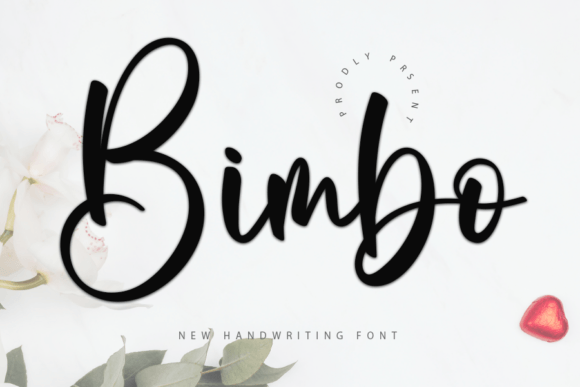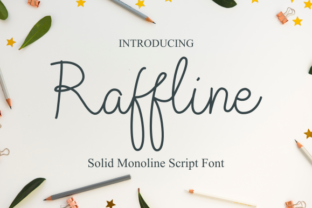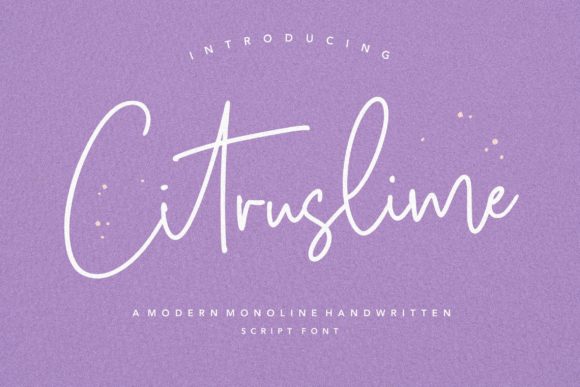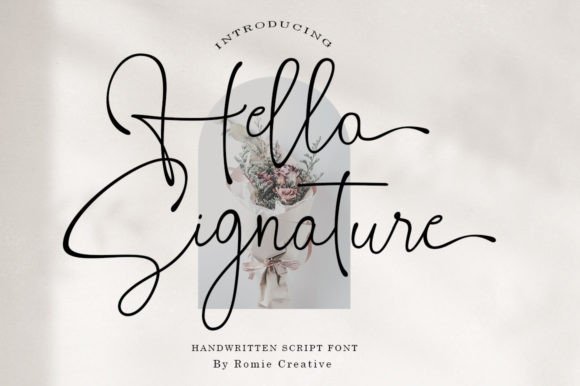
The Art of Style Writing in Modern Design
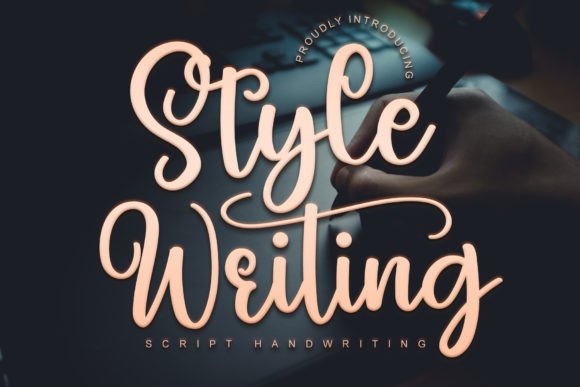
In a digital world saturated with uniform fonts, the human touch of handwritten typography instantly creates a memorable connection. Style Writing feels equally charming and elegant. It looks stunning on wedding invitations, thank you cards, quotes, greeting cards, logos, business cards, and every other design which needs a handwritten touch. For graphic designers and creative professionals, this approach to lettering is more than just an aesthetic choice; it's a powerful tool for storytelling and building authentic brand identity.
More Than Just a Pretty Font
At its core, Style Writing is a form of expressive typography that mimics the fluidity and personality of hand-lettering. Unlike standard script fonts, it often includes unique ligatures, swashes, and a natural flow that feels organic and personal. This quality makes it a vital asset in a designer's toolkit for projects where emotional resonance is key. It bridges the gap between digital precision and the warmth of a handcrafted item, enhancing visual communication by adding a layer of authenticity and sophistication.
In the realm of branding and logo design, a carefully selected Style Writing font can define a brand's entire visual language. It communicates values of craftsmanship, attention to detail, and personal care. For businesses in the wedding, artisanal goods, or boutique service industries, this typography becomes the cornerstone of their brand identity, setting them apart from competitors using more generic solutions.
Practical Applications Across Creative Projects
The versatility of Style Writing allows it to elevate a wide array of creative projects. Its application extends far beyond simple invitations, impacting everything from digital marketing to packaging design.
- Marketing & Social Media: In social media graphics and advertising campaigns, Style Writing captures attention quickly. It adds a personal, relatable voice to quotes, call-to-action phrases, and headers, boosting user engagement in crowded feeds.
- Editorial & Web Design: Used sparingly in editorial layouts or as a featured font in web design, it can create beautiful pull quotes or hero section headlines. It guides the reader's eye and establishes a clear visual hierarchy, making content more scannable and engaging.
- Physical Products: For packaging design, merchandise, and business cards, this style of writing adds a premium, tactile quality. It suggests the product inside is made with care, directly influencing consumer perception and supporting a modern aesthetic that values individuality.
Integrating Style Writing into Your Design Workflow
Successfully incorporating this element requires a thoughtful approach to ensure it enhances rather than hinders your design. Here are key considerations for any design workflow:
- Prioritize Readability: While beautiful, ornate scripts can sacrifice legibility. Always test your chosen Style Writing at the intended size and across different mediums. Ensure it remains clear, especially for crucial information.
- Maintain Consistency: For brand identity systems, use the chosen Style Writing font consistently. Pair it with a clean, complementary sans-serif or serif font for body copy to create a balanced and professional visual hierarchy.
- Consider the Context: Match the font's personality to the project's tone and audience. A playful, bouncy script suits a children's brand, while an elegant, flowing script is perfect for luxury logo design or high-end print design.
- Evaluate Technical Quality: Look for fonts with extensive character sets, including alternates and ligatures. This allows for customization and prevents repetitive letterforms, making the text look more authentically handwritten.
Thoughtful typography is a fundamental pillar of effective visual design. Choosing a resource like Style Writing is not merely an aesthetic decision but a strategic one that influences perception, communication, and emotional impact. By selecting high-quality creative assets and applying them with intention, designers can craft compelling narratives, strengthen brand recognition, and create polished, professional presentations that truly resonate with their audience.